Grocery Store Shelving Solutions for Efficient and Profitable Food Retail Spaces
Why Grocery Store Shelving Is Critical for Food Retailers
Grocery store shelving is one of the most important infrastructure investments for any food retail business. From neighborhood grocery shops to specialty food and beverage stores, shelving directly affects how products are displayed, replenished, and perceived by customers. Poor shelving design often leads to inefficient stocking, visual clutter, and even the common problem of grocery stores shelves empty, which can negatively impact trust and sales.
High-quality shelving systems help retailers present products clearly, guide customer movement, and maintain a consistently full appearance on the sales floor. For food retailers operating in competitive markets, professional shelving is not a cost—it is a strategic tool.
Common Shelving Challenges in Grocery Stores
Grocery retailers face several recurring challenges that shelving must address:
High product turnover and frequent restocking
Mixed product sizes and weights
Seasonal layout changes
Limited floor space
Customer sensitivity to empty or disorganized shelves
Without the right shelving structure, these challenges can quickly reduce operational efficiency.
Types of Grocery Store Shelving and Their Use Cases
| Shelving Type | Key Function | Suitable Scenarios |
|---|---|---|
| Wall-Mounted Shelving | Maximizes vertical space | Small grocery stores, perimeter displays |
| Gondola Shelving | Creates organized aisles | Medium to large grocery layouts |
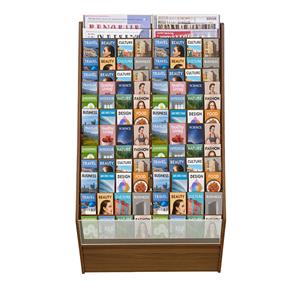
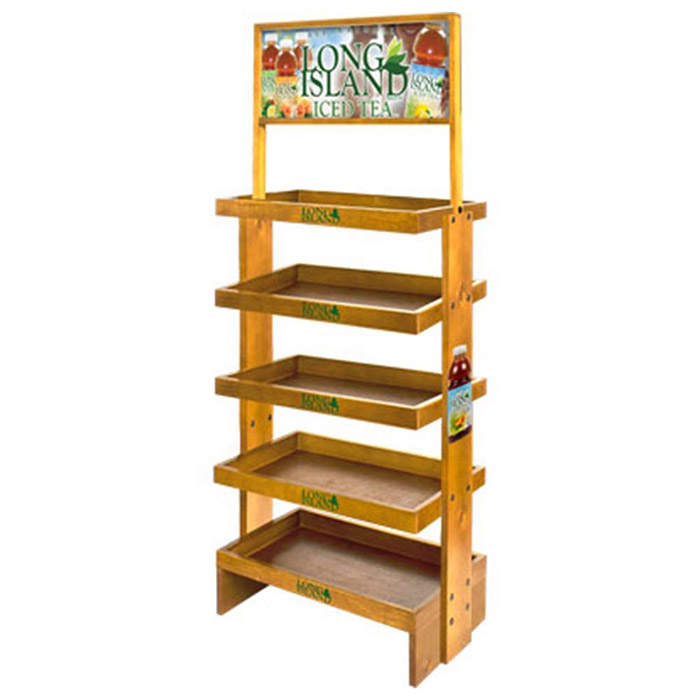
| Wooden Grocery Shelving | Enhances visual appeal | Liquor, specialty food, premium sections |
| Push Forward Shelving | Keeps products front-faced | High-turnover food and beverage items |
| Adjustable Shelving | Adapts to SKU changes | Stores with frequent assortment updates |
Among these options, grocery store push forward shelving is especially effective in maintaining a neat appearance and reducing labor during restocking.
Preventing “Grocery Stores Shelves Empty” Situations
Empty shelves send a negative signal to customers, even when inventory is available in storage. Strategic shelving design helps reduce this risk through:
Gravity-based push forward systems that automatically move products forward
Modular shelving layouts that allow faster replenishment
Clear shelf zoning for efficient inventory planning
By combining smart layout planning with functional shelving, grocery retailers can significantly reduce the perception of out-of-stock items.
Why Wooden Shelving Works for Grocery and Food Stores
Wooden shelving is increasingly popular in modern grocery environments, especially for liquor, baked goods, organic foods, and premium categories. Compared to purely metal fixtures, wooden shelving offers:
A warmer, more trustworthy visual impression
Strong load-bearing capacity when professionally engineered
Better brand alignment for quality-focused food retailers
This makes wooden shelving an ideal solution for grocery stores looking to elevate in-store experience while maintaining durability.
Choosing the Right Grocery Store Shelving Manufacturer
Selecting reliable grocery store shelving manufacturers is essential for long-term success. Professional manufacturers should provide:
In-house design and engineering expertise
Material and structural customization
OEM service to match brand standards
Consistent production quality
Flexible MOQ to support both chains and independent stores
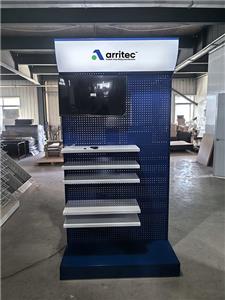
ArriTec focuses on supporting grocery retailers and food brands with scalable shelving solutions, whether for a single store or multi-location rollout.
Custom OEM Grocery Store Shelving for B2B Buyers
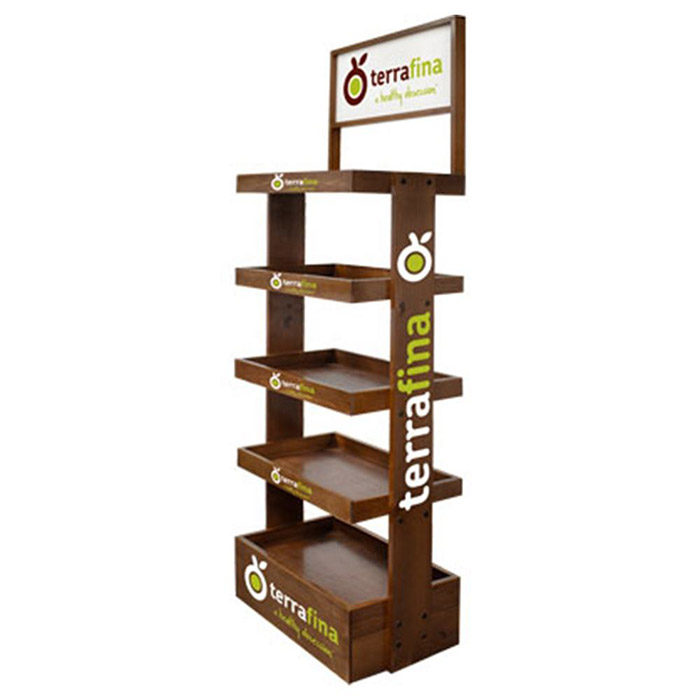
OEM grocery shelving allows retailers to align fixtures with their brand identity and operational needs. Customization options may include:
Shelf dimensions and layout configuration
Wood finish and material selection
Branding elements and signage integration
Compatibility with existing store systems
Flexible MOQ policies make custom shelving accessible not only to large retail chains but also to growing grocery businesses and independent store owners.
Avoiding “Grocery Store Fake Shelves” Pitfalls
Some stores rely on grocery store fake shelves or temporary visual fillers to hide empty space. While this may work short-term, it can damage brand credibility. A better long-term approach includes:
Investing in functional shelving that supports real inventory flow
Using push forward systems instead of visual props
Designing shelves based on actual sales data
Authentic, well-structured shelving builds trust and supports sustainable growth.
Practical Buying Tips for Grocery Retailers
Before purchasing shelving, grocery retailers should consider:
Product Mix – Weight, size, and turnover rate
Store Layout – Aisle width, customer flow, visibility
Future Growth – Scalability and modular expansion
Operational Efficiency – Ease of restocking and cleaning
Brand Positioning – Functional vs premium visual goals
Professional shelving planning reduces costly layout revisions later.
Conclusion
For food retailers and grocery businesses, grocery store shelving is a foundational element that directly influences efficiency, presentation, and customer trust. Well-designed shelving systems help prevent empty shelves, support fast-moving inventory, and create an organized, appealing retail environment.
By working with experienced grocery store shelving manufacturers offering OEM services and flexible MOQ, retailers can build shelving solutions that grow with their business—whether launching a new store or upgrading an existing space.