Durable Brochure Display Stand Solutions for Modern Bookstores: Metal Rotating Racks Built for High-Volume Retail Use
Opening — why this matters
A Brochure Display Stand is more than a storage unit: for bookstores it’s a merchandising engine that transforms browsing into buying. A well-designed rotating brochure rack or spinning magazine display for bookstores presents titles, brochures and small-format merchandise in compact footprints while encouraging customer interaction and discovery. This guide is written for procurement managers, visual merchandisers and independent bookshop owners who need practical, low-risk advice to choose a floor-standing rotating brochure rack that performs in daily retail use.
What a modern brochure display stand delivers (quick overview)
Bookstores have limited floor space and many SKUs. The right brochure display stand addresses three common retail problems:
Visibility — 360° rotation exposes products from every angle.
Space efficiency — vertical multi-tiered layouts show many items without a large footprint.
Durability — heavy-gauge metal wire and powder-coated finish handle frequent handling and reduce maintenance.
These attributes make rotating metal racks a versatile option for bookstores presenting magazines, small-format books, brochures, and promotional literature.
Key features to look for (product-focused checklist)
When evaluating a floor standing rotating brochure rack or a wire rotating magazine display stand, insist on these practical features. The table below maps features to the retailer benefit.
| Feature | Why it matters for bookstores |
|---|---|
| 360° rotation mechanism (ball-bearing) | Smooth, low-effort turning increases browsing and reduces handling wear. |
| Multi-tiered pocket or shelf layout | Lets you group by genre, theme, or promotion; increases SKUs per square foot. |
| Heavy-gauge metal wire construction | Withstands heavy daily use and reduces long-term replacement costs. |
| Powder-coated finish (custom colors) | Protects against scratches and allows brand-aligned color schemes. |
| Weighted base / anti-tip design | Critical for safety in busy aisles and near children’s sections. |
| Header sign holder / branding area | Promotes seasonal campaigns, new-release sections or publisher spotlights. |
| Mobility options (lockable casters) | Enables dynamic floor plans for events and book launches. |
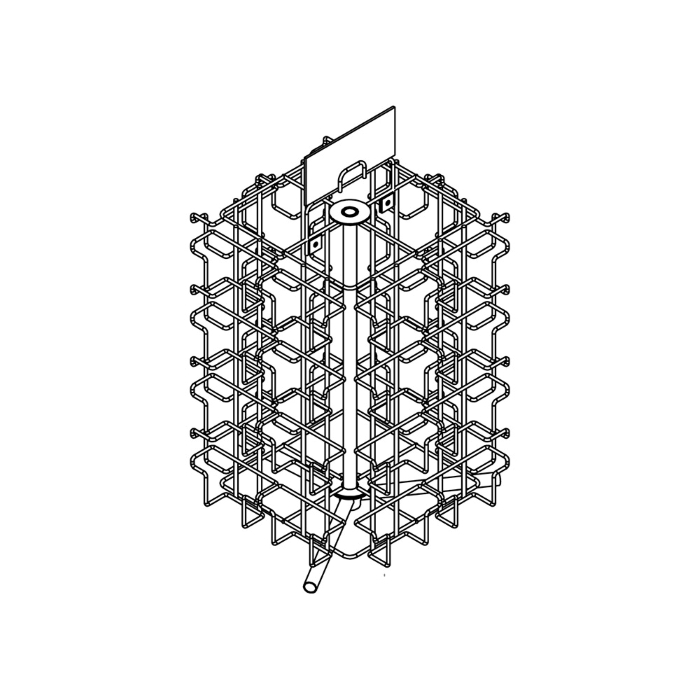
Use this list as your minimum acceptance criteria when requesting samples or quotations from a metal spinning magazine rack wholesale supplier.
Why bookstores (indie and chain) should choose rotating brochure racks
For bookstores, customer discovery drives additional purchases—readers who linger often buy more. A spinning magazine display for bookstores offers:
Improved browsing flow — Customers can rotate the rack and discover unexpected titles without walking around a fixture.
Flexible merchandising — Separate pockets or adjustable dividers allow quick category swaps (e.g., “Staff Picks”, “Local Authors”, “New Releases”).
Event-friendly setups — Mobile or modular racks support pop-ups, signings and promotional displays with minimal staff overhead.
Whether you manage a single urban shop or buying for multiple locations, a robust rotating rack reduces staff time spent tidying displays while increasing point-of-purchase momentum.
OEM & customization: turning a stock fixture into a brand asset
Working with a Brochure Display Stand supplier that offers OEM options transforms a simple fixture into an extension of your store identity. Typical customization services that matter to bookstores include:
Color-matched powder coating to align with your brand palette.
Custom header cards or printed panels for promotions and sponsorships.
Pocket dimensions and mixed configurations to fit zines, magazines, or paperback novellas.
Mobility or floor-mount options depending on whether racks will be stationary or reconfigured.
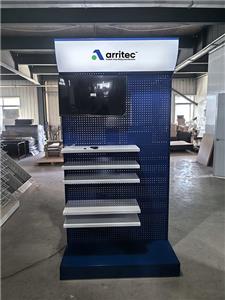
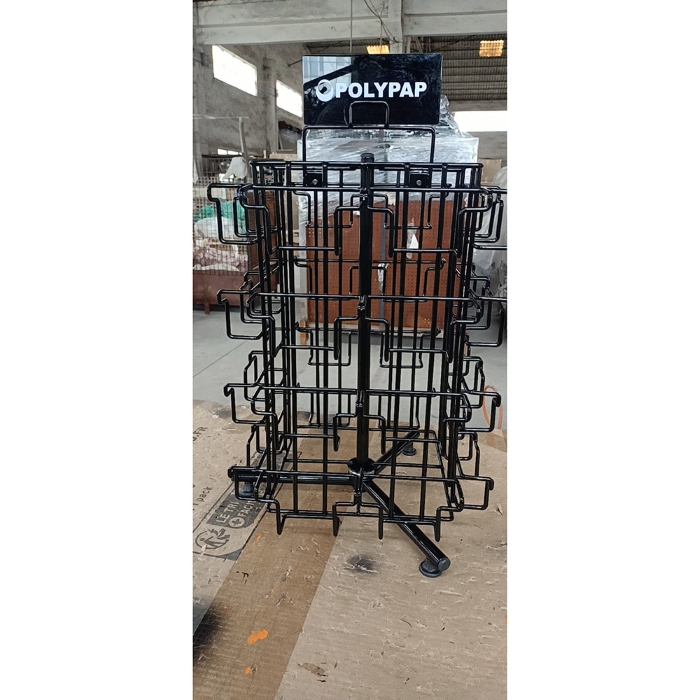
ArriTec’s rotating brochure/CD rack product shows these practical OEM capabilities — important signals that a supplier can support rapid prototyping and store-level rollouts. When you request quotes, be explicit about your desired branding treatment and the content mix so engineers can propose the correct pocket layout.
Practical merchandising patterns for maximum uplift
Below are actionable setups you can implement tomorrow. These are low-cost adjustments with measurable effects.
Checkout impulse cluster
Place a compact rotating rack near the counter filled with bookmarks, postcards, and bestsellers—ideal for last-minute adds.
Theme islands
Group racks by theme (travel, local interest, seasonal holidays) with a clear header. Rotating racks perform well in these micro-displays.
Cross-sell pairing
Position a rack next to a related display: for instance, magazines next to travel guides or graphic novels beside art supplies.
Staff-curated spotlight
Use a header card “Staff Picks” and rotate content weekly to encourage repeat visits.
Event rotation
For author signings, reconfigure pockets to showcase the author’s work and promotional material—mobility and modularity pay dividends.
These patterns are inexpensive to test and scale; measure impact by tracking units-per-transaction and dwell time near the rack.
Supplier selection — technical checklist to copy/paste
When contacting a metal spinning magazine rack wholesale vendor, include this technical checklist to speed comparison and reduce back-and-forth:
Detailed wire gauge and frame reinforcement specs.
Finish specification and color matching process (Pantone/RAL references).
Rotation mechanism description (ball-bearing type, load rating).
Pocket internal dimensions and configuration drawings.
Base weight and anti-tip safety data.
Mobility options (casters, floor-mount).
Sample/prototype lead time and approval workflow.
Packaging method for export and warranty/after-sales support.
Providing this precise list will force suppliers to demonstrate commercial and manufacturing competence and will help you compare quotes on equal terms.
Costing and order flexibility (commercial reality)
Many reputable suppliers who support OEM production also offer flexible MOQ options to accommodate trial orders, pilot rollouts and phased store rollouts. Ask about prototype pricing, trial shipments and long-term volume discounts as separate line items—this keeps procurement transparent while allowing you to pilot before committing to a larger rollout. (Note: discuss MOQ terms directly with the supplier; avoid assumptions.)
Installation, maintenance and lifecycle considerations
Assembly — Look for models that include simple tool-based assembly with clear instructions to reduce installation time in each store.
Replacement parts — Confirm availability of pocket dividers and rotation mechanism components to extend life.
Cleaning & finish care — Powder-coated finishes are low-maintenance; request cleaning recommendations to keep racks looking new.
A small investment in spare parts and clear maintenance guidelines protects your capital expenditure and reduces long-term operational headaches.
Final checklist before you send an RFP
Before you issue a Request for Proposal (RFP) to a wire rotating magazine display stand supplier, make sure your brief includes:
Target store profile (size, average footfall, target customer).
Primary content mix (magazines, brochures, cards, booklets).
Desired customization (colors, branding, header art).
Expected deployment plan (pilot locations and roll-out schedule).
Delivery constraints (ship-to regions, packaging preferences).
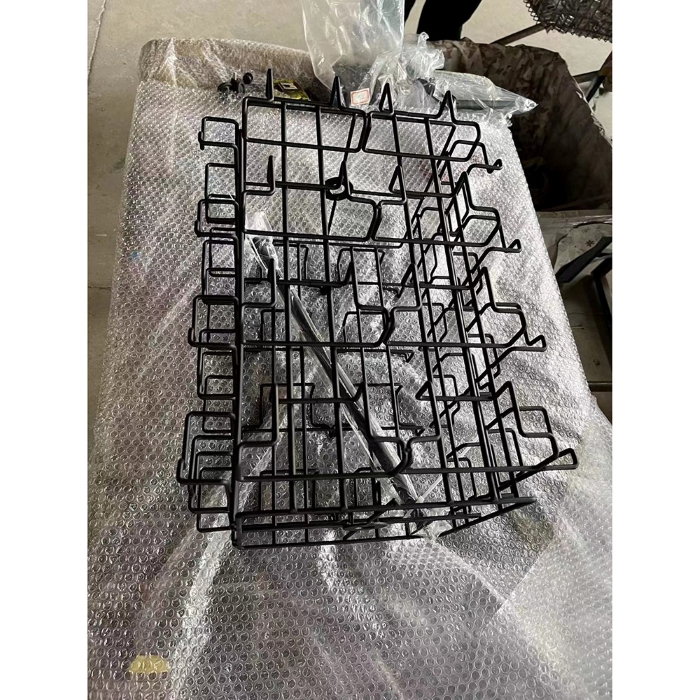
Attach your checklist and ask for prototype options and sample photos of finished racks in real retail environments. Suppliers able to share case photos and factory images demonstrate higher transparency and operational maturity.
Call to action (how to get results fast)
If you manage purchasing for a bookstore chain or run an independent shop and want a tailored recommendation, I can draft a concise technical brief or RFP for you — pre-filled with the checklist above and optimized for quick supplier responses. Share your store profile (single shop or chain), the primary items you plan to display, and your preferred color/logo files; I’ll return a ready-to-send supplier email you can use to request prototypes and lead times.
Closing — evidence-based recommendation
For bookstores seeking a robust, space-efficient merchandising solution, investing in a Brochure Display Stand—especially a quality rotating metal model with OEM options—unlocks improved visibility, customer engagement, and flexible brand presentation. Verify construction details, request real-world photos, and insist on a clear prototype workflow to reduce risk and accelerate in-store impact. The ArriTec rotating brochure/CD rack demonstrates the industrial-grade features and customization options you should require when comparing suppliers.