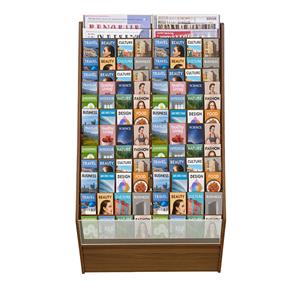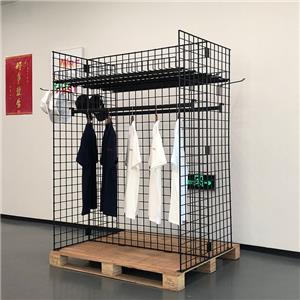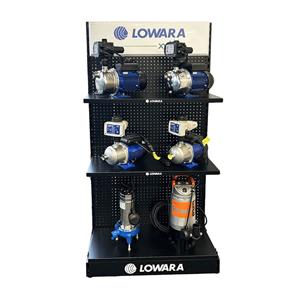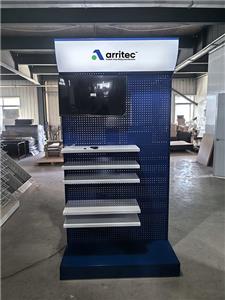
what is the difference between metal and wooden display tables
What is the difference between metal and wooden display tables is a common question among apparel retailers planning store layouts or upgrading in-store merchandising fixtures. For clothing stores, the choice between a metal display table and a wooden display table directly affects visual consistency, durability, daily operations, and long-term cost efficiency. Selecting the right display rack or display stand is not only a design decision, but also a strategic retail investment.
This SEO product news article focuses on metal display table solutions developed by ArriTec, comparing them with traditional wooden display tables from a professional B2B perspective. The target audience is apparel retail stores, including fashion boutiques, multi-store brands, and growing independent retailers.
Industry Background: Display Tables in Apparel Retail
Understanding what is the difference between metal and wooden display tables starts with how display tables are used in apparel stores. Display tables have long been central fixtures for folded garments, featured collections, and seasonal promotions. Historically, wooden display tables dominated fashion retail due to their warm appearance. However, as store concepts evolved toward modern, modular, and fast-changing layouts, metal display tables gained popularity.
Today’s apparel retailers require display racks and display stands that can adapt quickly to visual merchandising updates, frequent restocking, and brand refresh cycles. This shift has driven increased demand for metal structures that balance aesthetics with operational efficiency.
Materials and Manufacturing Technology
A key factor when evaluating a metal display table versus a wooden display table lies in raw materials and production processes.
| Aspect | Metal Display Table | Wooden Display Table |
|---|---|---|
| Core Material | Steel or aluminum | Solid wood or engineered wood |
| Surface Finish | Powder coating or plating | Paint, veneer, or laminate |
| Structural Stability | High load-bearing capacity | Moderate, varies by wood type |
| Environmental Impact | Long lifespan, recyclable | Natural look, sensitive to humidity |
Metal display tables are manufactured using precision welding and surface treatments, ensuring consistency across large production runs. Wooden display tables rely more heavily on craftsmanship and material variation, which may impact uniformity across multiple store locations.
Functional Performance in Apparel Stores
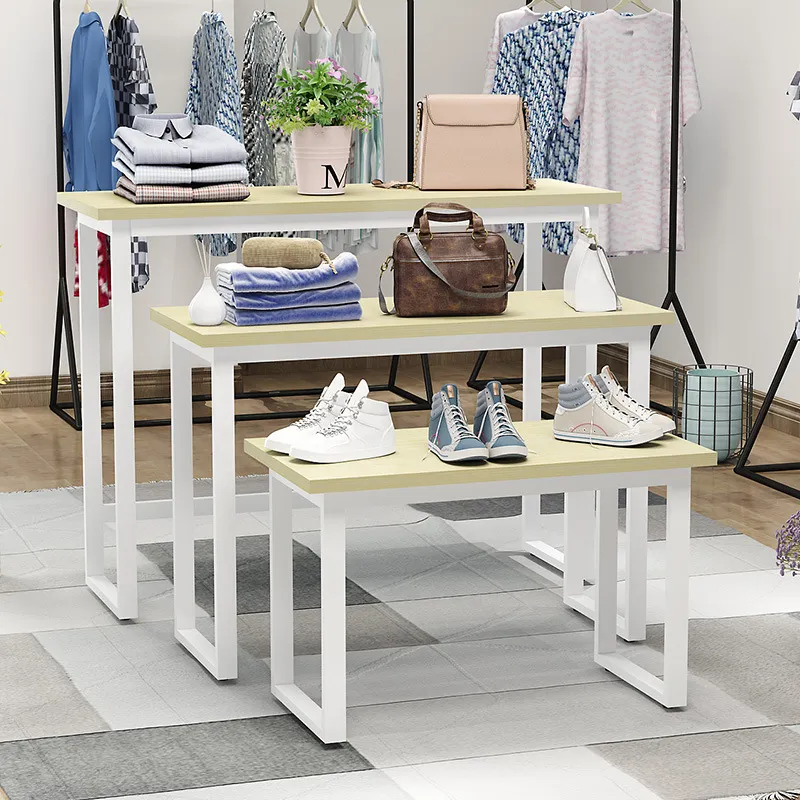
From a practical standpoint, what is the difference between metal and wooden display tables becomes clear in daily store operations. A metal display table offers superior resistance to wear, scratches, and deformation, making it suitable for high-traffic apparel environments.
A wooden display table, while visually appealing, may require more maintenance over time, especially in stores with frequent product handling. For apparel retailers managing multiple promotions per season, metal display racks and display stands provide a stable and reliable solution.
Visual Merchandising and Brand Positioning
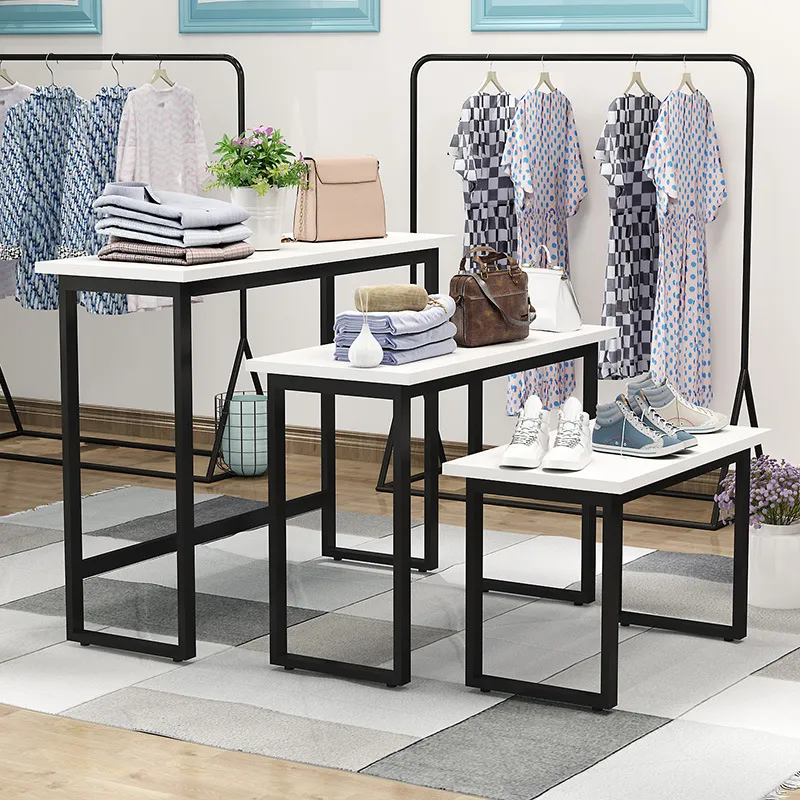
Visual identity plays a critical role in apparel retail. A small metal display table supports minimalist, industrial, or modern brand concepts. Its clean lines and neutral finishes allow garments to remain the visual focus.
In contrast, a wooden display table often communicates warmth and tradition. This can be effective for heritage or lifestyle brands, but may limit flexibility when updating store themes. Many fashion brands now combine metal display tables with modular display racks to maintain visual consistency across global locations.
Space Efficiency and Layout Flexibility
Apparel stores frequently adjust layouts to reflect new collections. A metal display table is typically lighter and easier to reposition than a wooden display table. This mobility supports agile merchandising strategies and quick layout changes.
Small metal display tables are especially useful in pop-up zones, promotional areas, and window displays. Their compact footprint allows retailers to maximize floor space without sacrificing presentation quality.
Comparison Table: Metal vs Wooden Display Tables
To clearly summarize what is the difference between metal and wooden display tables, the table below highlights key decision factors:
| Criteria | Metal Display Table | Wooden Display Table |
| Durability | High | Medium |
| Maintenance | Low | Higher |
| Flexibility | High | Moderate |
| Style Adaptability | Modern & versatile | Warm & classic |
| Long-Term Use | Excellent | Depends on environment |
This comparison helps apparel retailers align display stand selection with brand strategy and operational needs.
Customization and OEM Services
ArriTec provides OEM services for both metal display table and display rack solutions. Apparel brands can customize:
Table dimensions and heights
Surface finishes and colors
Structural reinforcement options
Integration with existing display stands
Flexible MOQ options enable both emerging fashion boutiques and established chains to implement customized solutions without unnecessary barriers.
Quality Assurance and Production Capacity
When choosing between a metal display table and a wooden display table, product consistency is critical for multi-store brands. ArriTec applies standardized quality control processes, including material inspection and structural testing, to ensure each display rack meets retail performance standards.
With scalable manufacturing capacity, ArriTec supports pilot orders as well as large-scale rollouts across regional or international apparel retail networks.
After-Sales Support and Long-Term Value
Beyond product delivery, ArriTec emphasizes long-term cooperation. After-sales support includes layout optimization advice, display stand maintenance guidance, and future upgrade compatibility.
This service-oriented approach helps apparel retailers maximize the lifespan and value of their metal display table investments.
FAQ: Common Questions from Apparel Retailers
Q1: Is a metal display table suitable for premium apparel brands?
Yes. With proper design and finish, metal display tables align well with premium and contemporary brand concepts.
Q2: Can metal and wooden display tables be mixed in one store?
Yes. Many retailers combine metal display racks with wooden elements for visual balance.
Q3: Is MOQ flexible for small apparel stores?
Yes. Flexible MOQ options are available to support businesses at different growth stages.
Conclusion
Understanding what is the difference between metal and wooden display tables allows apparel retailers to make informed merchandising decisions. While wooden display tables offer a traditional aesthetic, metal display tables provide superior durability, flexibility, and scalability for modern retail environments.
For apparel brands seeking reliable, customizable, and future-ready display rack and display stand solutions, ArriTec’s metal display tables offer a practical foundation for long-term retail success.