Are Cardboard Comic Book Display Racks Durable Enough for Retail Use?
Are Cardboard Comic Book Display Racks Durable Enough for Retail Use?
Cardboard comic book display rack solutions are increasingly used by comic book shops and specialty retailers looking for flexible, lightweight, and eco-conscious merchandising systems. For B2B buyers, durability is often the first concern when considering cardboard-based displays—especially in retail environments with frequent customer interaction.
This article explores whether cardboard comic book display racks can truly meet the daily demands of retail use, and why more comic retailers are adopting them as a practical merchandising solution.
The Growing Demand for Comic Book Displays in Retail
Comic books remain a strong category in both independent shops and multi-category bookstores. Retailers must display issues clearly while protecting covers from damage and maintaining easy browsing.
Traditionally, metal or wooden fixtures were used. Today, however, cardboard display rack for printed media applications are gaining popularity due to changes in retail strategy, sustainability goals, and store layout flexibility.
For new comic shops and pop-up retailers, cardboard displays offer speed, adaptability, and cost efficiency without compromising presentation.
Product Overview and Structural Design
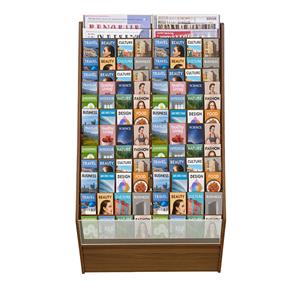
A professional cardboard comic book display rack is engineered specifically for printed media. Unlike basic cardboard shelving, these racks use reinforced corrugated board structures designed to support stacked comic books vertically.
Key Structural Elements
| Design Element | Retail Function |
|---|---|
| Reinforced corrugated board | Supports weight of printed media |
| Tiered front-facing layout | Improves cover visibility |
| Slotted assembly system | Ensures structural stability |
| Flat-packed design | Easy transport and storage |
| Anti-slip base structure | Prevents movement on retail floors |
This structure allows the display to remain stable even during busy store hours.
Material Technology and Load Performance
Modern cardboard displays are not made from standard packaging material. Commercial-grade racks use multi-layer corrugated board that improves compression strength and load-bearing capacity.
From a technical perspective, cardboard offers:
High strength-to-weight ratio
Shock absorption for printed products
Resistance to minor impacts
Flexibility without permanent deformation
For comics, which are lightweight but sensitive to bending, cardboard becomes a surprisingly effective solution.
Application in Comic Book Shops and Bookstores
Among ArriTec’s target industries, comic book shops and printed media retailers are the most suitable customer group for this product.
In daily retail operations, a comic book display rack for shops supports:
Weekly new issue rotations
Promotional themes or events
Seasonal collections
Easy customer browsing
Because cardboard racks are lightweight, staff can rearrange store layouts without special tools or labor.
Sustainability and Brand Image Benefits
Sustainability is becoming an important factor in retail purchasing decisions. An eco cardboard display rack for retail aligns well with environmentally conscious brand positioning.
Benefits include:
Made from recyclable materials
Reduced carbon footprint during transport
Short production lead times
Easy recycling after use
For comic stores promoting indie culture or eco values, cardboard displays reinforce brand storytelling directly on the sales floor.
Comparison with Traditional Display Materials
Retailers often compare cardboard displays with metal or wooden fixtures before making a decision.
| Aspect | Cardboard Display | Metal Display |
|---|---|---|
| Weight | Lightweight | Heavy |
| Installation | Tool-free | Tool-required |
| Sustainability | High | Low |
| Flexibility | High | Limited |
| Visual customization | Easy | Moderate |
This comparison shows why cardboard is often chosen for promotional zones and fast-changing product lines.
Customization and OEM Capabilities
OEM service plays a key role for B2B buyers who want displays aligned with their store identity.
OEM customization options may include:
Printed branding and graphics
Custom tier spacing
Adjusted height and footprint
Seasonal or campaign-based designs
MOQ is flexible, allowing retailers to test displays in one store or roll them out gradually across multiple locations.
Quality Control and Retail Reliability
Durability is not only about materials—it also depends on manufacturing standards.
Professional cardboard display racks undergo:
Structural strength testing
Assembly stability checks
Print adhesion inspection
Packaging integrity verification
These quality measures ensure that displays perform consistently throughout their retail lifecycle.
After-Sales Support and Long-Term Use
B2B buyers value suppliers who support ongoing retail operations. Reliable partners assist with:
Repeat orders for new campaigns
OEM design continuity
Fast response for restocking needs
Guidance on optimal display use
This support is especially important for growing comic shops and retail chains.
Frequently Asked Questions (FAQ)
Can cardboard display racks handle daily customer use?
Yes. Commercial-grade cardboard racks are designed for frequent browsing and regular restocking.
Are they suitable for long-term retail use?
They are ideal for promotional cycles, seasonal displays, and flexible merchandising plans.
Can designs be customized for branding?
Yes. OEM customization allows full branding and layout adjustments.
Conclusion: Are Cardboard Comic Book Display Racks a Smart Retail Choice?
For comic book retailers and printed media shops, durability must be balanced with flexibility, sustainability, and presentation quality. A well-designed cardboard comic book display rack delivers reliable performance while supporting fast merchandising changes and eco-friendly retail strategies.
With reinforced structure, flexible MOQ, OEM customization, and professional quality control, cardboard comic book display racks have proven to be a practical and effective solution for modern retail environments—especially for independent shops and expanding brands looking to optimize both space and storytelling.